Service
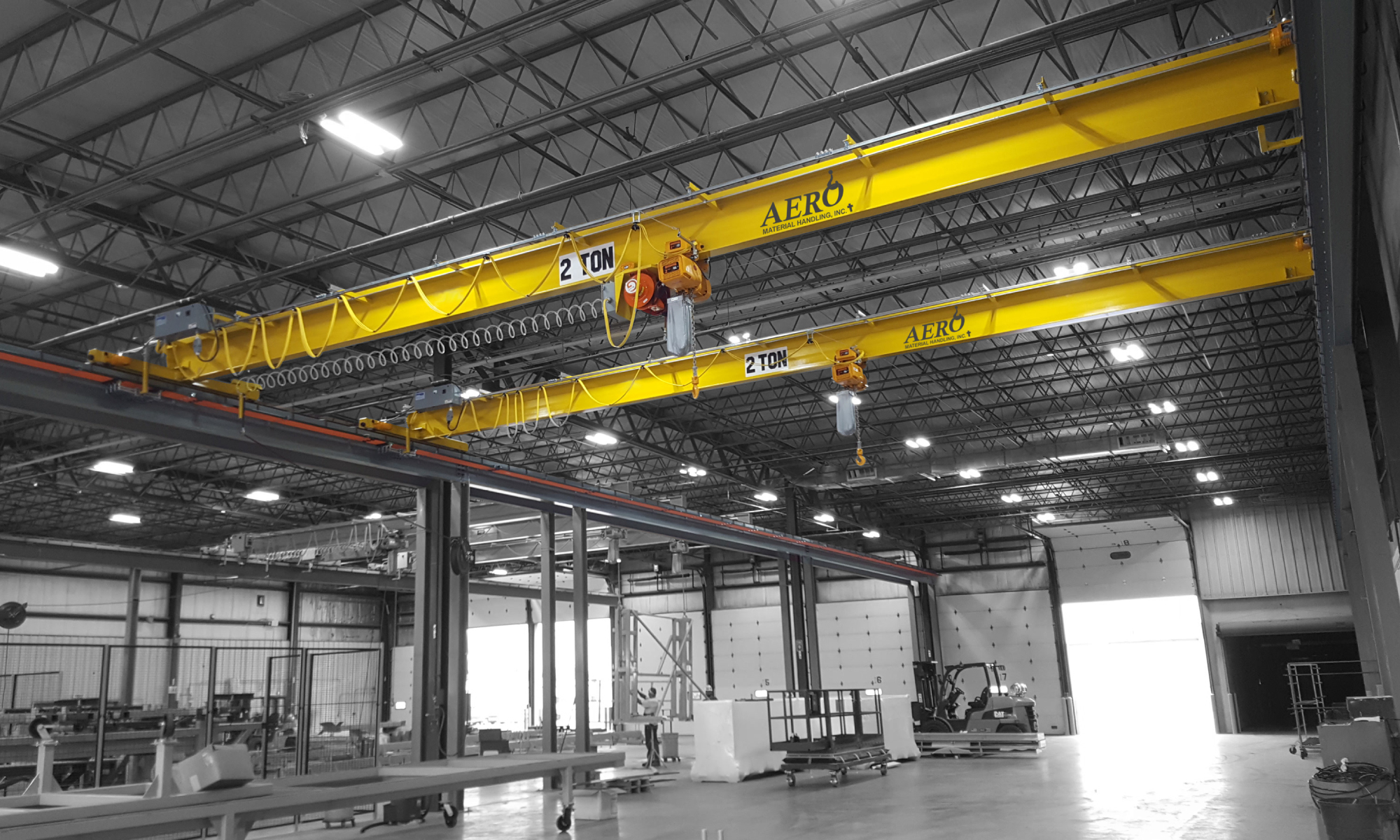
Our service techs are some of the best in the business. 100% dedicated to hoist and crane equipment, our techs know lifting equipment! If you’re having problems with your hoist or crane, we will diagnose the situation and, if you choose, order the parts and get you back up and running in no time. Call now to schedule a service call.
Diagnose the Issue
What it involves:
• A trained service technician thoroughly inspects the hoist or crane equipment to identify the root cause of the problem. This isn’t just a quick glance — it includes mechanical, structural, electrical (if applicable), and safety-system checks.
• Common checks include brakes and limit switches, wire ropes or chains, hooks, sheaves, structural integrity, control systems, and any wear or damage that might impair safe operation.
Why this matters:
Diagnosing properly ensures you’re not just addressing a surface symptom (e.g., “hoist won’t lift”) but uncovering underlying causes (worn cable, misalignment, bad brake, etc.) — avoiding repeated failures and boosting
Source Repair Parts
What it involves:
• Once the problem is identified, decide whether to repair, replace, or adjust components. If parts are needed, Aero can source them — whether standard or OEM — to restore proper functionality.
• Then plan the repair work: this may include mechanical repair, replacement of worn components (ropes, brakes, controls), lubrication, alignment adjustments, or structural fixes, depending on what was found.
Why this matters:
Using the correct parts and a well-thought-out repair plan reduces downtime, prevents future breakdowns, and helps maintain manufacturer-spec performance and safety standards.
Perform Repair & Test
What it involves:
• Technicians carry out the repair work or part replacement, making sure all safety and load-bearing systems are restored to spec.
• After repair: perform functional tests — for lifting load, checking brakes, limit switches, safety devices, electrical and mechanical systems, ensuring everything works smoothly under load and meets safety requirements.
• Finally, document the repair and test results for records — this helps for future maintenance scheduling and compliance.
Why this matters:
Thorough testing ensures that the equipment is safe to return to operation, reduces the risk of accidents or failures, and provides a baseline for future inspections or maintenance.
OTHER SERVICES
UPGRADES
RADIO CONTRO | RUNWAY EXTENSIONS
HAND PUSH SYSTEMS
SAFETY INSPECTIONS
OSHA REQUIRED | LOAD TESTING
ANNUAL EQUIPMENT INSPECTIONS